We are now stocking the Hydro-Soft Neodymium Magnetic Water Softener.
"Hydro-Soft" magnetic water devices are easily placed over the outside of any type of plastic or copper pipe.
Even a caveman can install "Hydro-Soft" water treatment devices…It's sooo easy!
Built with Most effective…Strongest rare earth neo neodymium magnets !
Nickel-copper-nickel triple layer coating for maximum corrosion resistance.
A very easy do-it yourself installation project that takes very little time & with no pipe cutting!
"Hydro-Soft" water softener devices will not give you that slimy feeling in the shower that you get from a salt based water softener.
"Hydro-Soft" water softener device is powered by high tech…high energy shielded neo neodymium magnetic fields and the flow of the water through your pipes. Not electricity!
The "Hydro-Soft" water softener devices are effective on city and well water alike.
Why are "Hydro-Soft" water softener devices better than salt based water softeners?
* Super duty solid steel back driver quadruples the magnetic strength
* Requires No Salt and No Ongoing Expenses.
* Requires No Plumbing Modifications.
* Requires No Electricity.
* Maintenance Free.
* No Back Flushing & No Inconvenience.
* Completely Silent Operation.
* Requires No Water.
* Improves Water Flow and Pressure by Removing Scale Build-up From Inside Pipes and Appliances.
* Prevents and Removes Existing Lime and Scale Build-up.
* Does Not Corrode Water Heaters, Pipes, & Fixtures.
* Safe for Older Homes!
* Does Not Harm Our Environment or Our Fresh Water Supply.
* Feel Cleaner and Fresher After Bathing.
* Legal To Use In All Areas of The U.S.
* Safe For Heart Patients and Those With Hypertension.
* Take Applied Magnets Water Softener Devices With You When You Move.
* Retains Healthful Minerals.
Link To Product
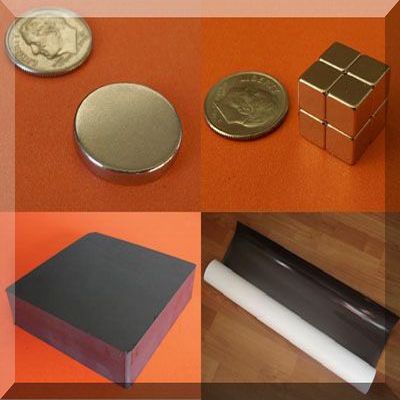
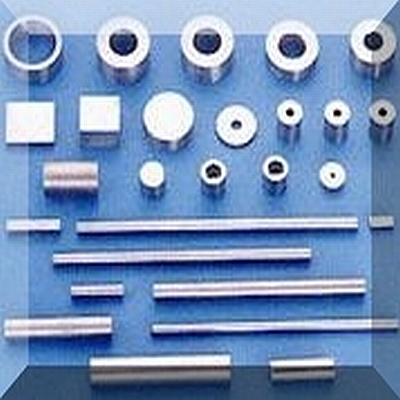
Welcome to Applied Magnets where we sell strong magnets for less. One category of strong magnets that we have in stock is a whole line of ceramic magnets. Our ceramic magnets are high in demand and are highly versatile. These have been used in many an industry and with a high success rate. You can never go wrong with our huge assortment of ceramic magnets. From inducers, electromagnets and transformers magnets have been used in everything. We stock both ceramic blocks and rings for whatever projects you need them for. Browse our site for the most comprehensive selection of ceramic magnets on the web. Look through our picture gallery to find the product you are looking for and we will deliver it to you.
Many materials have unpaired electron spins, and the majority of these materials are paramagnetic. When the spins interact with each other in such a way that the spins align spontaneously, the materials are called ferromagnetic (what is often loosely termed as "magnetic"). Due to the way their regular crystalline atomic structure causes their spins to interact, some metals are (ferro)magnetic when found in their natural states, as ores. These include iron ore (magnetite or lodestone), cobalt and nickel, as well the rare earth metals gadolinium and dysprosium (when at a very low temperature). Such naturally occurring (ferro)magnets were used in the first experiments with magnetism. Technology has since expanded the availability of magnetic materials to include various manmade products, all based, however, on naturally magnetic elements.
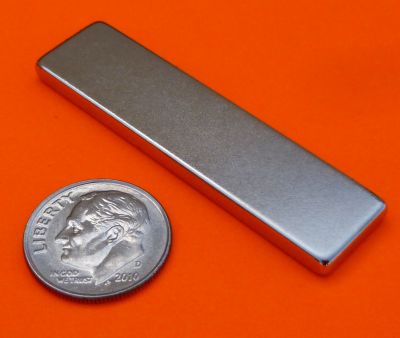
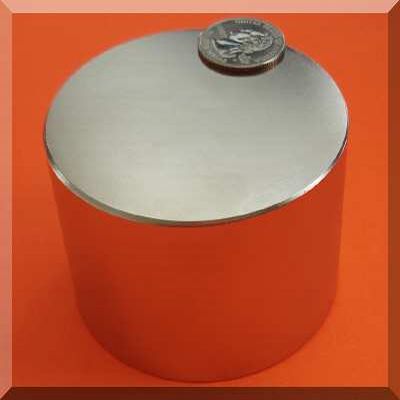
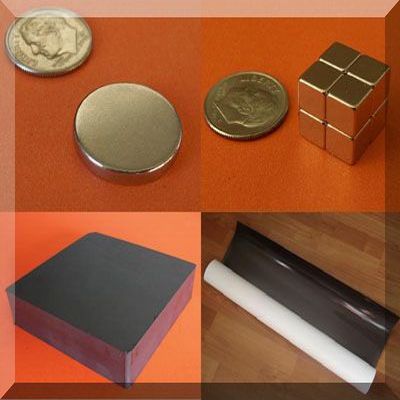
Not only do we have a collection of ceramic magnets but we also have a large range of Neodymium Magnets as well. These magnets are very robust in relation to their size. Popular with industries and hobbyists.
Neodymium magnets are used in a wide variety of applications. From hard drives to headphones to loudspeakers these magnets have seen it all.
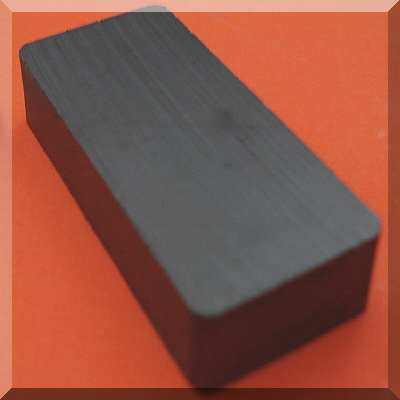
Ceramic Magnets or ferrite
Ceramic magnets, or ferrite, are made of a sintered composite of powdered iron oxide and barium/strontium carbonate ceramic. Due to the low cost of the materials and manufacturing methods, inexpensive Ceramic magnets (or nonmagnetized ferromagnetic cores, for use in electronic component such as radio antennas, for example) of various shapes can be easily mass produced. The resulting Ceramic magnets are noncorroding, but brittle and must be treated like other ceramics.
Neodymium-iron-boron (NIB)
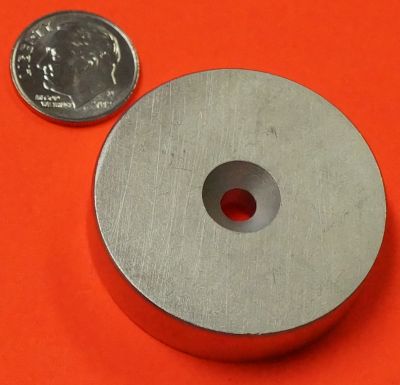
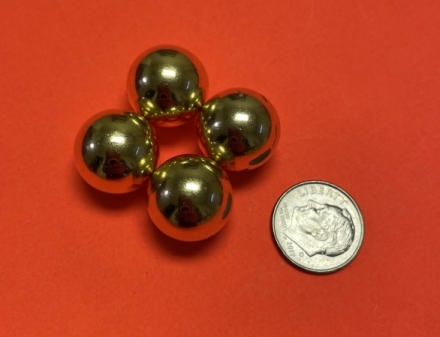
Neodymium magnets, also referred to as neodymium-iron-boron (NdFeB) magnets, have the highest magnetic field strength, but are inferior to samarium cobalt in resistance to oxidation and temperature. This type of magnet has traditionally been expensive, due to both the cost of raw materials and licensing of the patents involved. This high cost limited their use to applications where such high strengths from a compact magnet are critical. Use of protective surface treatments such as gold, nickel, zinc and tin plating and epoxy resin coating can provide corrosion protection where required. Beginning in the 1980s, NIB magnets have increasingly become less expensive. Even tiny neodymium magnets are very powerful and have important safety considerations.At Applied Magnets you will get the best possible price on these Neodymium magnets. All you have to do is just browse and choose from our huge selection and we will do the rest. Plus with shopping online you get the modern convenience of buying from your home or place of business. Nonetheless, our neodymium magnets come in many different shapes and sizes. From blocks, cubes, spheres, cylinders to arcs and rings; we here on our website offer it all. We can supply you with our neodymium magnets better then the other suppliers out there.
Help us help you with your magnet needs with Neodymium Magnets and Ceramic Magnets from Magnet 4 Less.